
There was a puff puff seller by the roadside near Ogochukwu's childhood home in Surulere. She remembers the long queue, the freshly fried dough wrapped in newspaper and black nylon, and eating hers almost as soon as she got it. Then she would wait for the next opportunity.
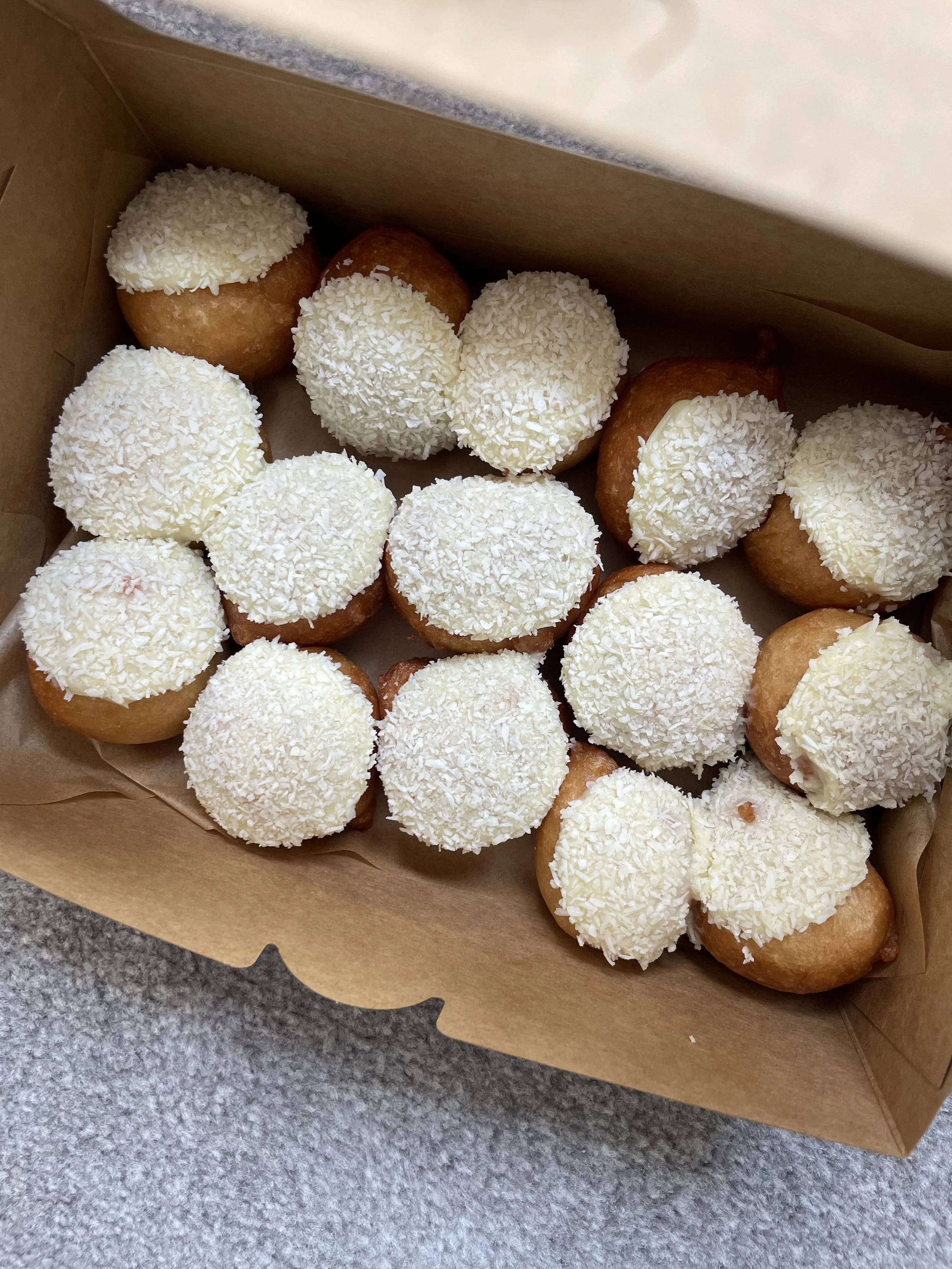
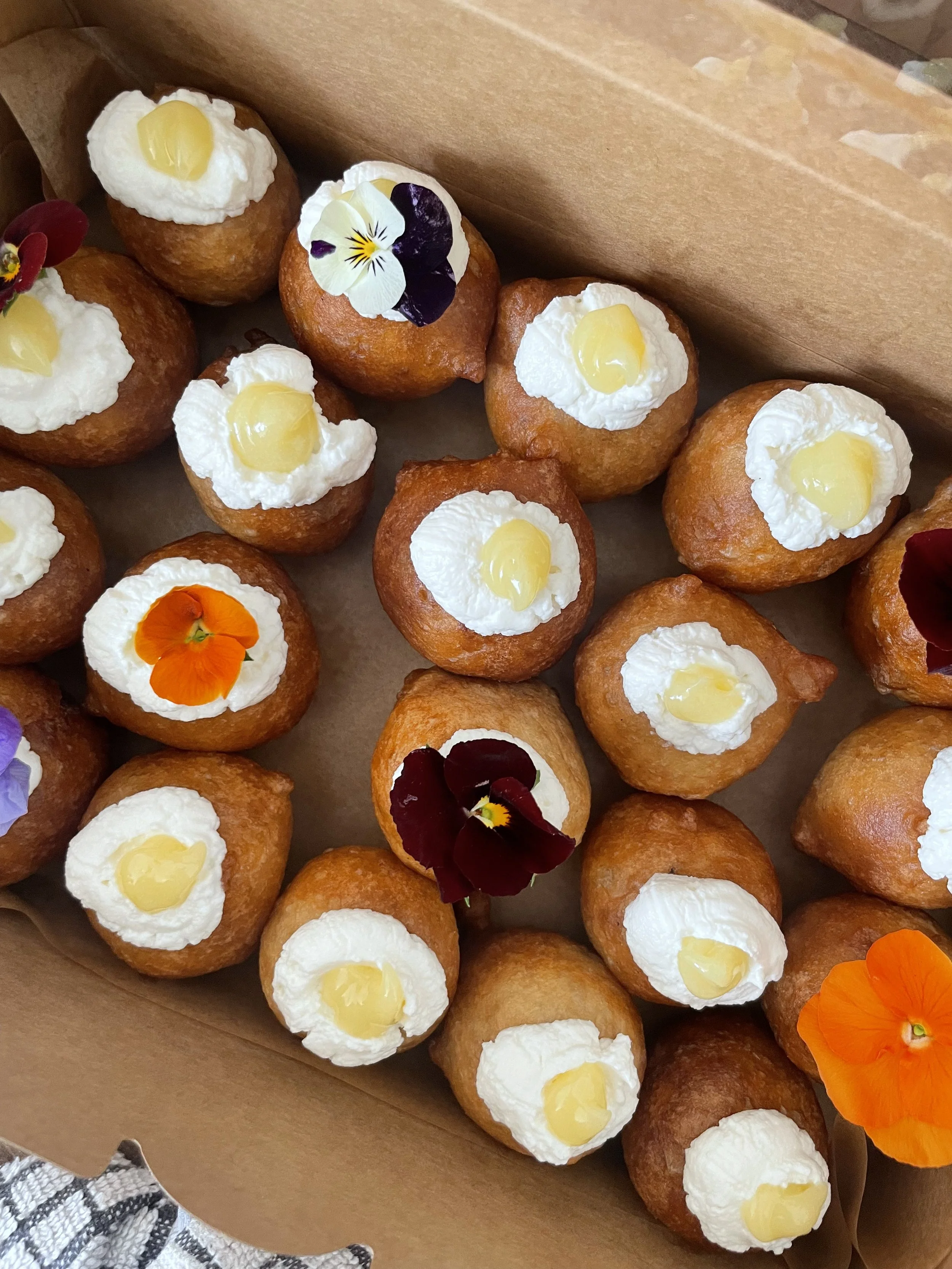
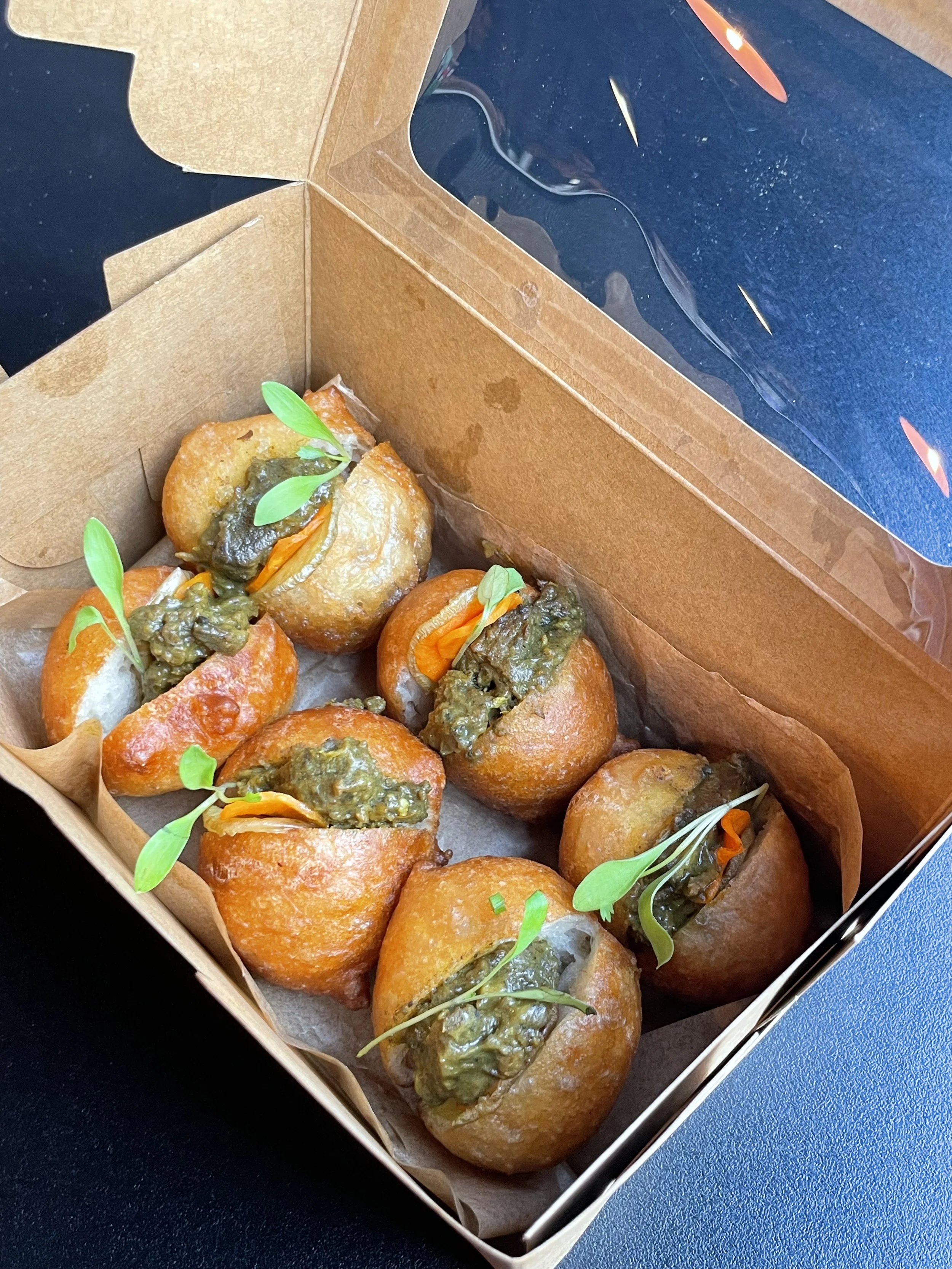
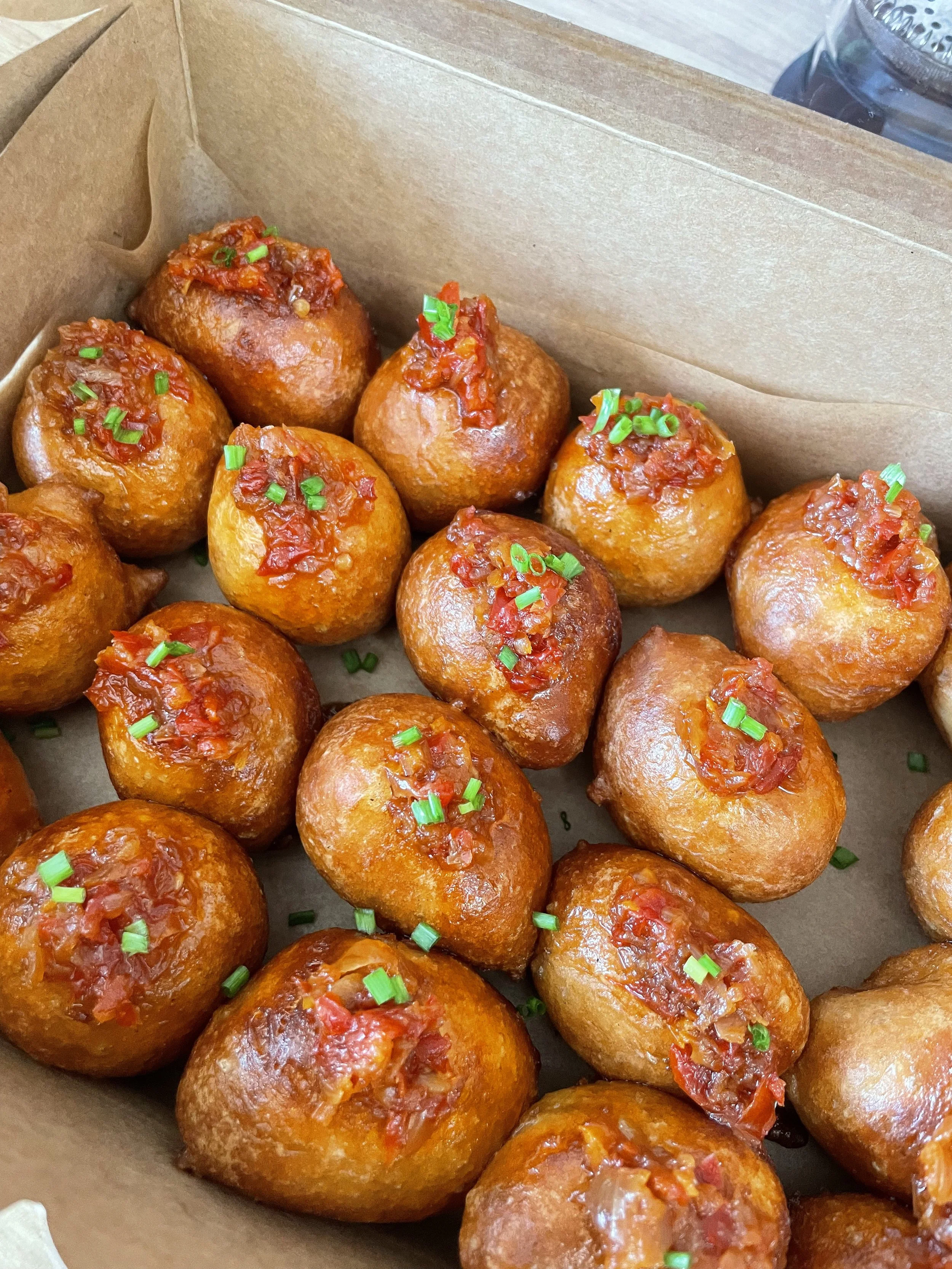
Today, puff puff is the focus of her own venture. Through Puff Puff Cafe, Ogochukwu reworks the familiar fried dough in sweet and savoury forms, and for The Hatch Season 2, a culinary residency at 16/16 in Lagos, she has brought flavours such as asun and hibiscus. The idea is simple enough: start with the puff puff people know, then see what else it can be.
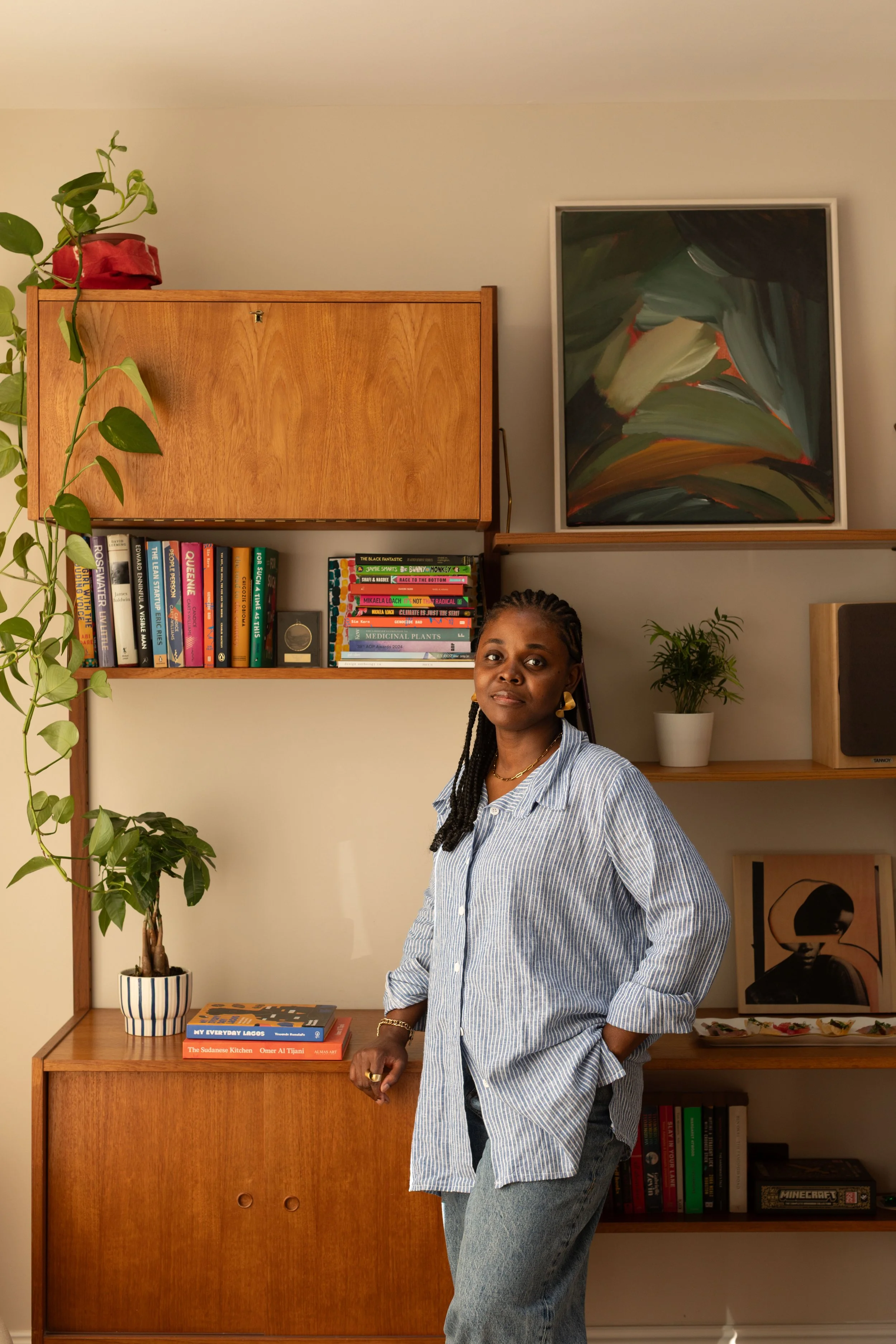
It is one strand of a practice that began in her family kitchen and now spans food photography, recipe development and the supper clubs that made her name in London. We first worked with Ogochukwu in 2019, when she photographed agege bread and akara for ìrìn's Lagos Issue. Since then, her work has grown around curiosity, play and the science of cooking. Next, she is relaunching Ose Ose, her condiment brand, with Ata Din Din as its first offering. We spoke about the food she grew up with, learning to trust her instincts in the kitchen and where she thinks the New Nigerian Kitchen is heading.
Your earliest food memories include helping your grandmother serve your grandfather, and watching your parents cook. What did food look like in your family growing up?
One of my earliest memories is of my grandmother giving me a tray of fried yam, sweet potato and plantain to serve my grandfather. I must have been under seven, and I remember feeling a huge sense of responsibility. I was so careful not to tilt the tray or do anything that might disappoint my grandmother.
My parents also taught me how to cook. As the firstborn, there was an expectation that I would know my way around the kitchen, but they never imposed it on me. I was naturally curious. My mum handled most of the everyday cooking and taught me the basics, while my dad made a really good tomato stew and vegetable soup. I was fascinated by watching him cook because it wasn't common to see husbands and fathers cooking at home.
We ate a lot of classic Igbo dishes growing up. My brother and I weren't particularly fond of soups and swallow as children, but as an adult I've found myself seeking them out.
You moved to London and found yourself missing the food you grew up eating. Has being away from home changed the way you think about Nigerian food?
Leaving home makes you more aware of the things you grew up eating and how difficult they can be to find elsewhere. Since leaving Nigeria, I've come to appreciate Nigerian food even more and have made a conscious effort to recreate the dishes I grew up with.
I'm grateful that there are now more African grocery stores and that you can find more niche ingredients, like ogiri. I also enjoy seeing the number of restaurants, supper clubs, vendors and food events celebrating Nigerian cuisine. It's only up from here. I particularly enjoy calling my mum to help me recreate ofe nsala, which is my favourite Igbo soup, and ofe akwu, a palm fruit soup. My aunt makes a mean isi ewu and ofe onugbu, too. I would watch her prepare them when she was in the UK.
We first worked with you in 2019, when you photographed agege bread and akara for ìrìn's Lagos Issue. Since then, your work has expanded into food preparation and dining experiences. What has that evolution looked like?
I've always enjoyed every part of cooking, from creating a menu and sourcing ingredients to preparing a meal, serving and hosting. Photographing food culture for ìrìn's Lagos Issue was another expression of that interest in all things food.
I approached the photography with curiosity, and that still applies to my work today. With my focus now on food preparation and dining experiences, I've added a layer of experimentation and play, while keeping an understanding of the science behind food preparation. I also let myself be inspired by my environment, what feels good in the moment and how relaxed I want my guests to feel afterwards.
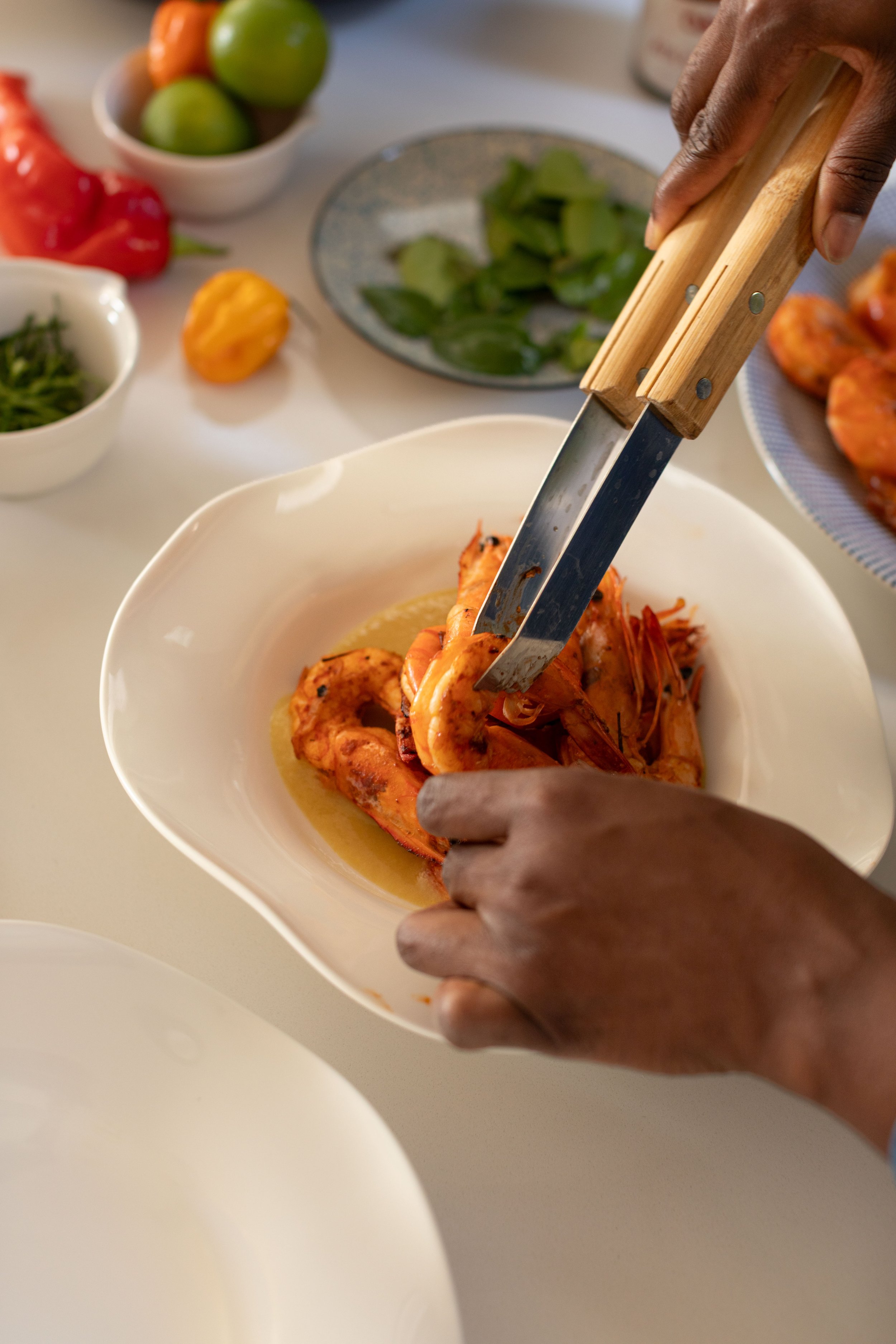
Over the years, in both personal and professional kitchens, I've learnt a lot by going back to the basics: understanding how starches behave in oil, water and over an open flame; the fat content across different cuts of meat; balancing acidity and sweetness; gluten-free baking; and fermentation guidelines. These are things you learn through constant practice.
There are also certain things I keep freestyling because I know what they should look like, feel like and taste like. Dishes such as puff puff, masa and akara, and drinks like kombucha and zobo, are forever stored in my memory bank.
Let's talk about puff puff. What makes it such an interesting food to work with, and what makes a good one?
Puff puff is such a versatile snack. It can be a belly filler, a canapé or appetiser when you have guests, a dessert at the end of a meal or something quick to eat before your main meal. I also enjoy trying similar snacks elsewhere. I've had Ghanaian bofrot, which I find slightly denser and bigger, but equally delicious.
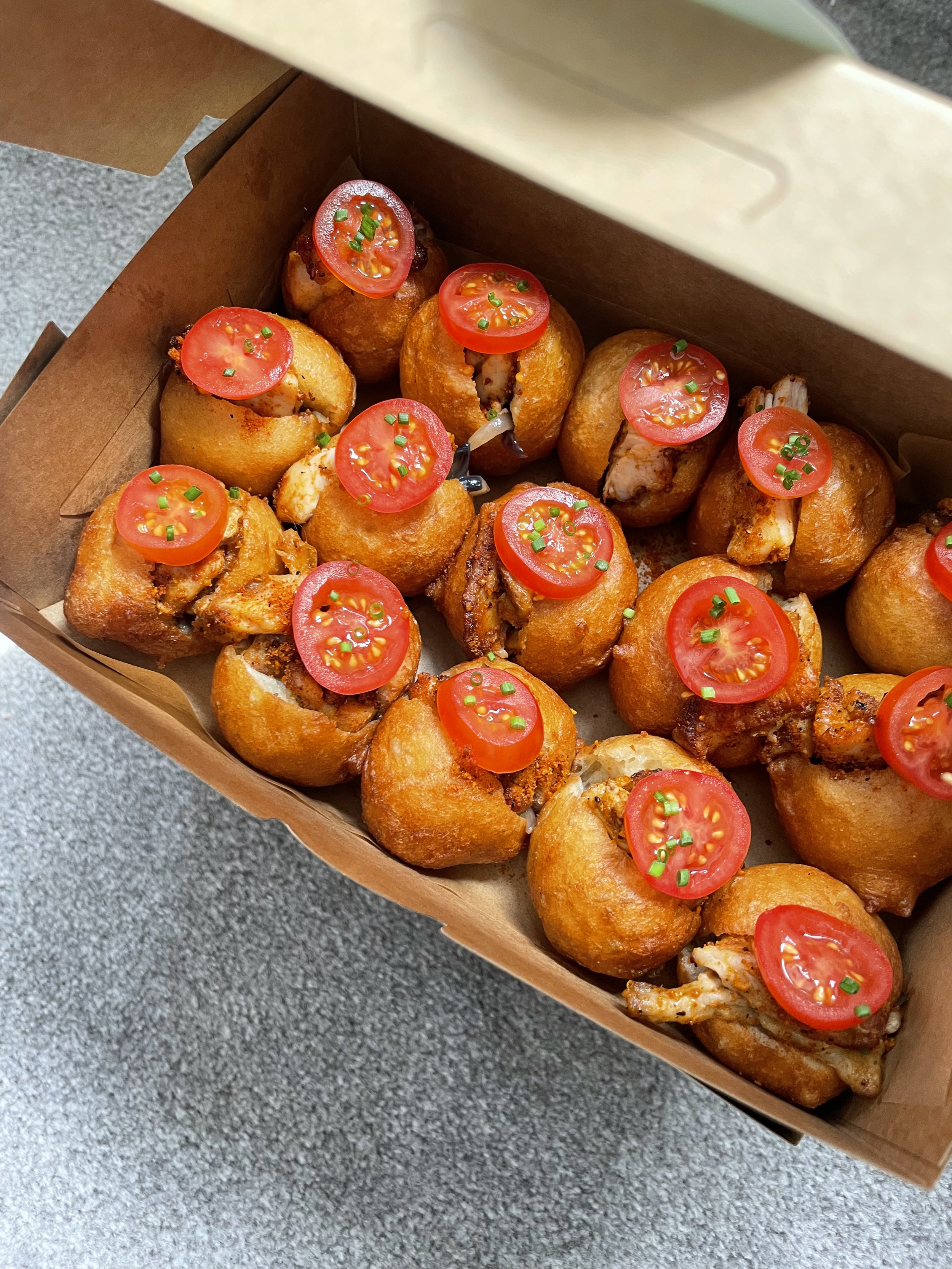
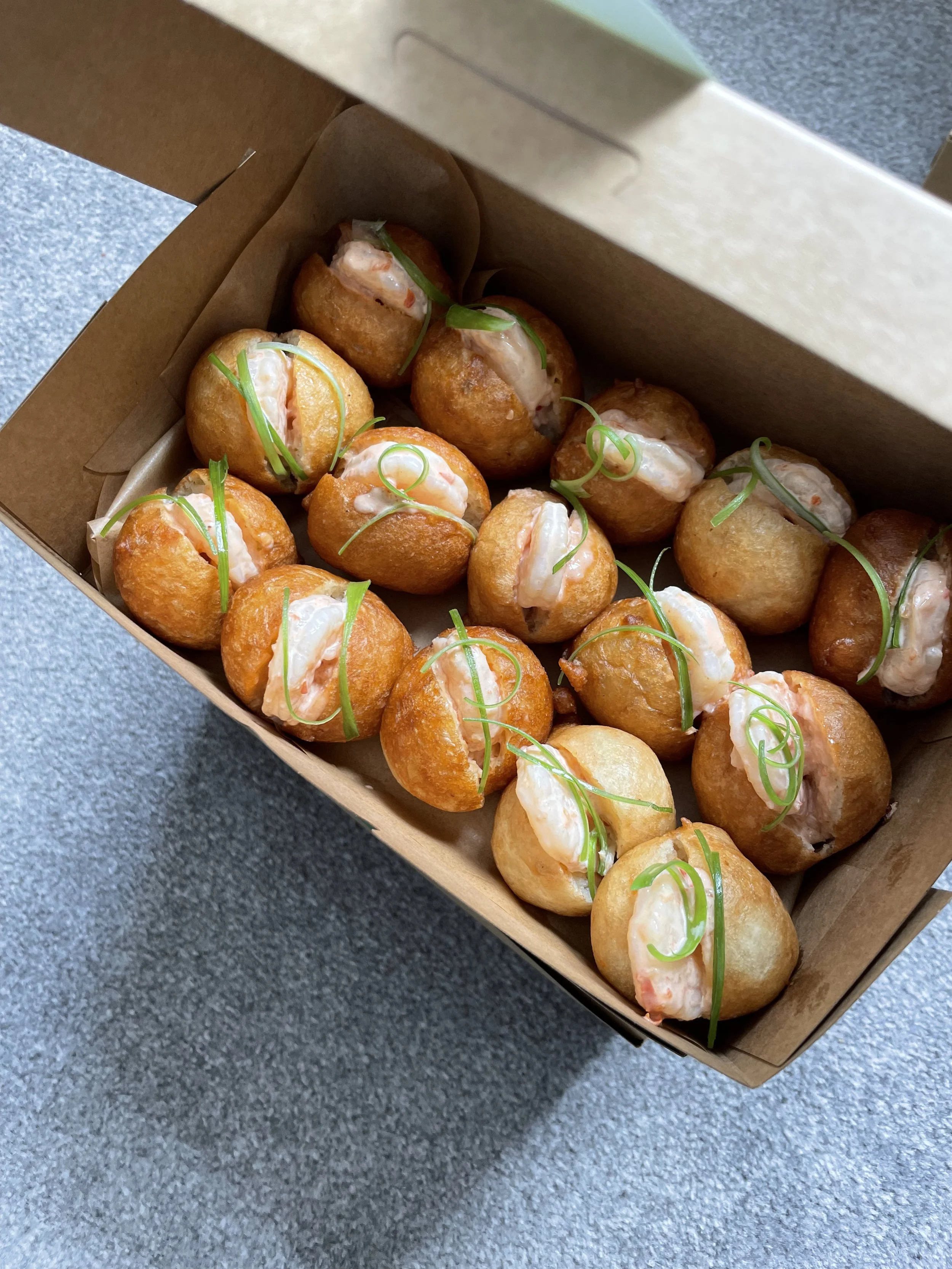
For me, a good puff puff should be well aerated, fluffy and balanced in flavour. My only rule is that you should always be able to produce the original puff puff. From there, you can put your own spin on it, whether sweet or savoury.
Experimentation is central to my work, particularly in the recipe development I do for food events. I focused on puff puff because it offers so much room to play. It can be sweet or savoury, and I wanted people to have the opportunity to try both flavours side by side.
You're in Lagos for The Hatch Season 2 at 16/16. What did you want to bring to the city, and how has it landed?
The residency has been going well. I brought in flavours I thought Lagosians would appreciate, particularly asun puff puff and hibiscus puff puff. One thing I've observed is that Nigerians really enjoy warm dishes, so the savoury flavours need to be served warm rather than at room temperature.
You're also preparing to relaunch Ose Ose, your condiment brand, with Ata Din Din. How did it begin, and where do you see it going?
Ata Din Din is a fried, spicy pepper sauce that accompanies many meals in Nigerian cuisine. It also forms the base for dishes such as tomato stew, gizdodo, asun and various peppered meats.
I first served it at a supper club I hosted in late 2022, alongside fried yam. Everyone loved it, and they suggested I sell it. I had served it in small IKEA jars for guests to take home, so that was how I began to take the idea seriously. I launched it on an independent food platform before taking a break, and I'm now gearing up for a relaunch.
Ose Ose was created to be an expression of where the New Nigerian Kitchen is heading. There's a craving for spicy comfort food, but also a need for it to be prepared within a short time frame. The range of sauces we'll be producing, with Ata Din Din as the first, is intended for the New Nigerian Kitchen and a global audience interested in exploring something different.
I've found Ata Din Din to be a soft point of entry into Nigerian cuisine. It can show people the possibilities that come from just one condiment.
Follow Ogochukwu at @ogoisfooding for news of Puff Puff Cafe and the Ose Ose relaunch
Join us: An Afternoon with ìrìn
We're celebrating Ogochukwu's residency with an afternoon at Puff Puff Cafe at 16/16. Join us on Sunday 8 November, 2–4pm, for puff puff, conversation and time with the ìrìn community. Spaces are limited.
